
Astana Sets New Rules for Technological Partnership on the EAEU-SRV Track
Digital Divide
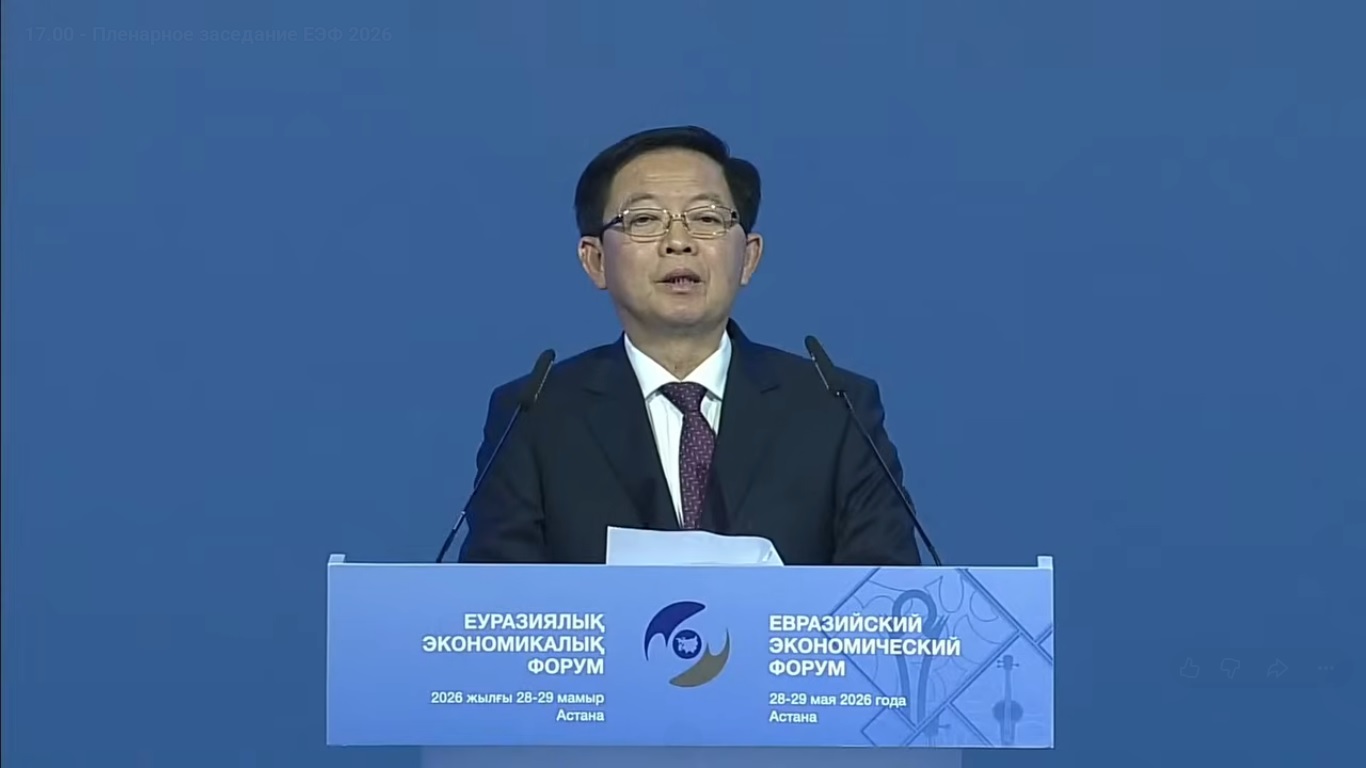
On May 27, 2026, at the 5th Eurasian Economic Forum in Astana, Vietnam officially initiated a revision of the technological framework of the free trade agreement with the EAEU. Hanoi tightly linked further growth in trade turnover to the transfer of end-to-end cyber technologies and the joint management of artificial intelligence algorithms.
— The world is entering a new era, and the forum's theme is of strategic importance as AI becomes a new resource for growth, public administration, and national competitiveness, — stated Deputy Prime Minister of the Socialist Republic of Vietnam Ho Quoc Dung.
The diplomatic demarche by the Asian partner marks the end of the era of the classic preferential trade regime. Hanoi has effectively issued an ultimatum to the Eurasian Economic Union regarding technological alignment.
The Architecture of Expansion
Behind the grand declarations of friendship lies the ruthless, pragmatic calculations of Southeast Asia's rapidly growing IT giant. Vietnam has completed the basic digital transformation of its public services system. Hanoi is now seeking external markets to scale its ready-made software products and platform solutions.
— We are transforming our growth model in this direction, and we have already achieved outstanding results as one of the countries where digital growth is already strong, — emphasized Ho Quoc Dung.
The Asian tiger has outgrown the status of a simple supplier of agricultural products and light industry to the Union market. The country is actively building national databases, sovereign data centers, and semiconductor factories. Vietnam vitally needs direct access to Eurasian research bases to utilize its production capacity.
Technological Pressure
Hanoi's new strategy poses direct risks for Eurasian IT developers and national IT consortiums. Vietnamese government platforms will begin to directly displace local software in critical sectors of the EAEU. Developers of smart city systems, intelligent transportation, and agricultural automation will be the first to be hit.
— In this new context, we must complement existing areas of cooperation with new technology areas and expand R&D collaboration in AI across various fields: intelligent agriculture, urban planning, and transportation, — concluded Ho Quoc Dung.
Eurasian companies risk losing their status as the leading architects of digital spaces within the CIS. Cheap Vietnamese solutions will meet customer needs. The market will receive a strong competitor with robust government financial support.
Regulatory impasse
The main problem lies in the complete absence of unified supranational EAEU standards for regulating artificial intelligence. The Eurasian Economic Commission's regulatory blindness creates a dangerous legal vacuum. The union lacks common rules for the cross-border transfer of sensitive metadata and algorithm verification.
The current 2015 free trade agreement regulates only tariffs, quotas, and customs duties. It is physically incapable of regulating the circulation of AI products, cross-border cybersecurity, and the protection of citizens' personal data.
Forming a Gateway
The only way out of the impasse is to create a joint coordination center for cybersecurity and standardization. Vietnam has explicitly indicated its readiness to act as a key partner and architect of this new digital macroregion. Hanoi is offering the EAEU a ready-made algorithmic bridge to ASEAN through common standards.
— Vietnam views the EAEU as a reliable partner in developing a common artificial intelligence space for the benefit of both parties, — Ho Quoc Dung concluded.
The Eurasian Union will have to promptly adopt Vietnam's proposals for regulatory policy exchange. Slowness in agreeing on protocols will lead to the chaotic expansion of Asian IT platforms into the Union's domestic market.
Text adapted by AI. Should it lack clarity, read the original RU-ver.
Own.info
Business Eurasia