
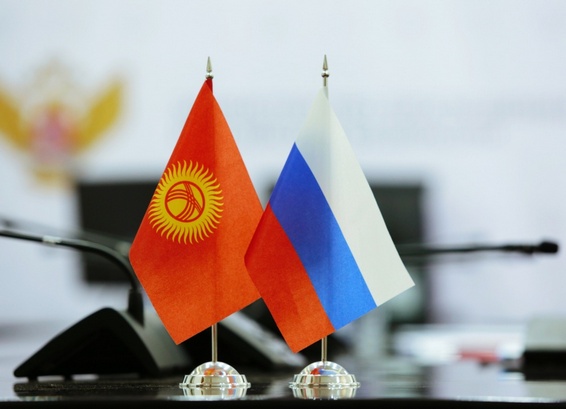
The EAEU is becoming a platform for long-term investment growth
Russia and Kyrgyzstan are expanding trade and economic ties through Eurasian integration mechanisms. The deputy prime ministers of the two countries reaffirmed their commitment to deep industrial cooperation and the creation of predictable conditions for business.
On March 23, 2026, Deputy Prime Minister of the Russian Federation Alexey Overchuk held a working meeting with First Deputy Prime Minister of the Kyrgyz Republic Daniyar Amangeldiev. During the videoconference, the parties discussed the coordination of efforts within the Eurasian Economic Union (EAEU) and new legislative initiatives. Details of the meeting were published on the official website of the Russian Government.
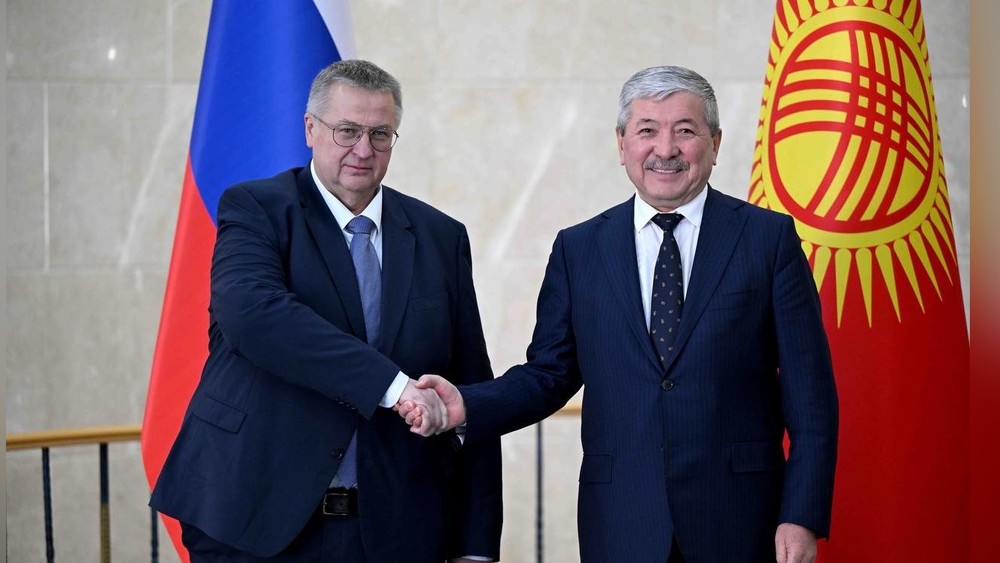
— Our goal is to ensure the further growth of mutual trade, investment, and cooperation in the interests of the citizens of our countries, — said Alexey Overchuk, emphasizing the stable momentum of bilateral cooperation.
In response, Daniyar Amangeldiev noted the importance of using EAEU mechanisms to implement joint initiatives aimed at the sustainable development of national economies.
Protectionism and Domestic Market Protection
The dynamics of Russian-Kyrgyz relations are developing against the backdrop of strengthened measures to protect the EAEU common market. On the eve of the meeting, the EEC Board extended the anti-dumping duty on truck tires from China, which experts interpret as a signal of support for domestic producers. Details of the decision are available on the Commission's website.
This policy enjoys support in the expert community. As Business Eurasia experts previously noted, Eurasian integration is not only about free trade but also about protecting a common perimeter and creating conditions under which our businesses can compete with global giants.
Over the past three years, the structure of interaction within the EAEU has undergone fundamental changes. While in 2024 the primary focus was on logistics and parallel imports, by 2026, technological connectivity has become a priority. The Eurasian Development Bank (EDB) notes in its reports that mutual direct investment in the region is growing, and Kyrgyzstan is becoming an important hub for joint ventures.
Analysts emphasize that stability is ensured not only by intergovernmental agreements but also by the activity of business associations. Businesses expect integration to unify regulations, allowing companies to scale projects across the five EAEU member states without incurring unnecessary costs.
An important element of analysis is the assessment of long-term risks and opportunities. Security and the economy are inseparable in Central Asia. Russian-Kyrgyz cooperation within the EAEU is the foundation for stability in the entire region. Integration must reach individual entrepreneurs in Osh or Bishkek; only then will the growth in trade turnover become a reality for the population.
The main challenge for Moscow and Bishkek remains adapting to the new financial realities and the digitalization of customs procedures. In its 2025 report, the Valdai Club emphasized that the "Greater Eurasian Partnership" is impossible without synchronizing national digital control systems.
The dialogue between Alexey Overchuk and Daniyar Amangeldiev confirms the transition of Eurasian integration from the discussion stage to the implementation of specific investment cases. Synchronizing the legislation of Russia and Kyrgyzstan creates a long-term legal framework for business, minimizing risks in the face of global instability.
Industry analysis demonstrates that the future of the Eurasian partnership depends on the ability of participating countries to convert political will into transparent tools to support entrepreneurship and protect the common economic space.
Text adapted by AI. Should it lack clarity, read the original RU-ver.
Own.info
Business Eurasia