
Bishkek is breaking digitalization patterns and implementing strict algorithmic control
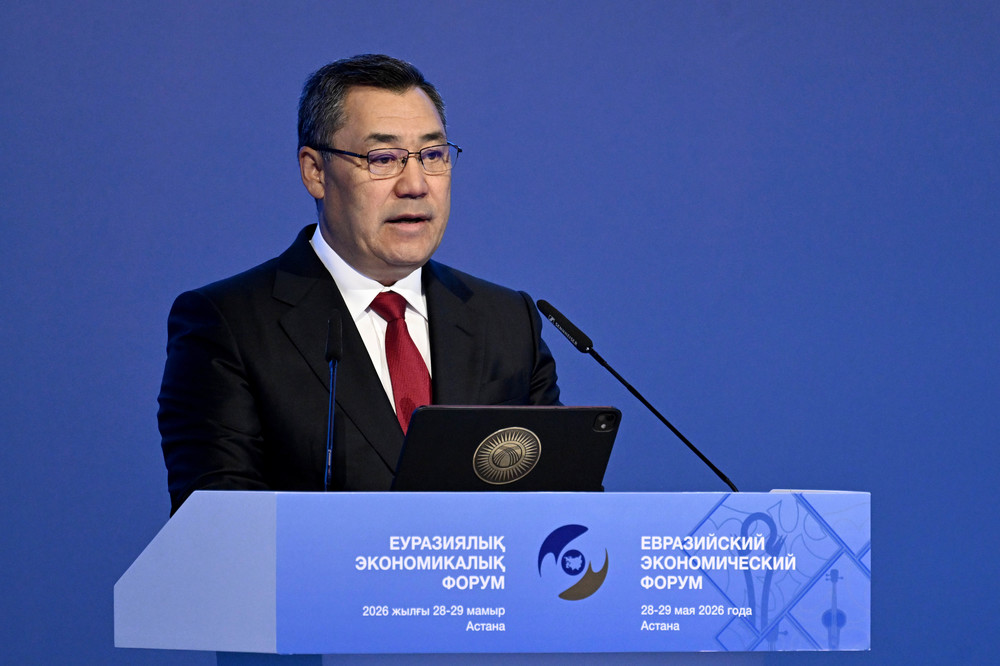
Kyrgyzstan has transitioned public administration to artificial intelligence algorithms. At the 5th Eurasian Economic Forum in Astana, Bishkek presented the interim results of this technological reform.
— Artificial intelligence is no longer just a narrow tool for the IT sector, — stated Kyrgyz President Sadyr Japarov.
The republic was the first in the EAEU to implement the Digital Code. An institutional transition has taken place from the automation of public services to direct machine regulation. Driver's license exam monitoring processes have already been isolated from the human factor. An intelligent tax platform has replaced months of manual analysis with instant risk calculations. Algorithms automatically classify imported goods at customs posts. Progress in public administration is now measured not by the number of officials, but by the number of man-hours saved. The shift is clear: automated control has replaced bureaucratic discretion.
Behind the facade of convenient mobile services lies a radical restructuring of the vertical power structure. Digitalization deprives the bureaucracy of its monopoly on key decision-making.
— At first glance, this is a matter of convenience. In reality, it's a completely different architecture of state transparency, — the Kyrgyz leader emphasized.
Bishkek has deployed its own G-Cloud cloud infrastructure to address stringent sovereign tasks. The true goal of the reform is the total elimination of corruption risk zones. Machine code eliminates the possibility of buying and selling state rights and permits. The algorithm does not accept bribes and is immune to administrative pressure. Tax analysis through multi-agent systems reveals hidden supply chains. The new configuration means automatic auditing of any business in real time. The government is deliberately transferring oversight functions to impartial mathematical models.
The new digital order is dealing a blow to the traditional gray sector of the economy. Unscrupulous participants in foreign economic activity and corrupt administrators are under attack. Automatic classification of goods by foreign trade nomenclature eliminates the understatement of customs value. Intermediary schemes within the republic lose economic viability due to transaction transparency. Multi-agent AI identifies value discrepancies in seconds. Gray imports face strict barriers at the border. Local bureaucracies are losing their leverage over entrepreneurs.
— Those who don't manage their data don't manage their future, — the president stated.
Local elites are losing the ability to manually distribute resources and benefits. The vector of deformation is directed against any manifestation of subjective discretion by officials.
The accelerated implementation of AI has exposed deep regulatory gaps at the union level. The Unified Digital Code is valid only within the borders of Kyrgyzstan. Common data exchange standards within the Eurasian Economic Union (EAEU) are still lacking. Cross-border information flow is hampered by the national legislative barriers of five countries. The Eurasian space is becoming critically dependent on Western software platforms. The lack of shared computing power creates cybersecurity risks. National tax control systems operate in isolation. The union's common market operates without a single framework for algorithmic regulation. A legal vacuum hinders the synchronization of customs systems at external borders. Regulators in member countries are failing to keep pace with the pace of AI technology innovation. Union institutions are lagging behind national digital practices.
The way out of the regulatory impasse lies in creating collective technological sovereignty. Kyrgyzstan proposes that EAEU countries join forces in developing national AI solutions. It is urgent to build large joint data centers and shared computing networks. Investments in human capital and fundamental education determine the outcome of the global race. All schools in Kyrgyzstan have already received access to high-speed internet. Universities have launched new specialized programs in digital law and AI.
— Science and reason are the foundation of all endeavors, — Sadyr Japarov quoted the distinguished Eastern thinker Yusuf Balasaguni.
A shared scientific tradition allows the union to create independent base AI models. Joint algorithms will ensure the transparency of the single market and protect economic borders. The EAEU must lead the charge in digital history.
Text adapted by AI. Should it lack clarity, read the original RU-ver.
Own.info
Business Eurasia