
Kyrgyzstan is becoming a key hub for the EAEU and the Belt and Road Initiative
Trade turnover between Kyrgyzstan and China has reached a historic high, transforming logistics throughout Central Asia and opening new markets for business.
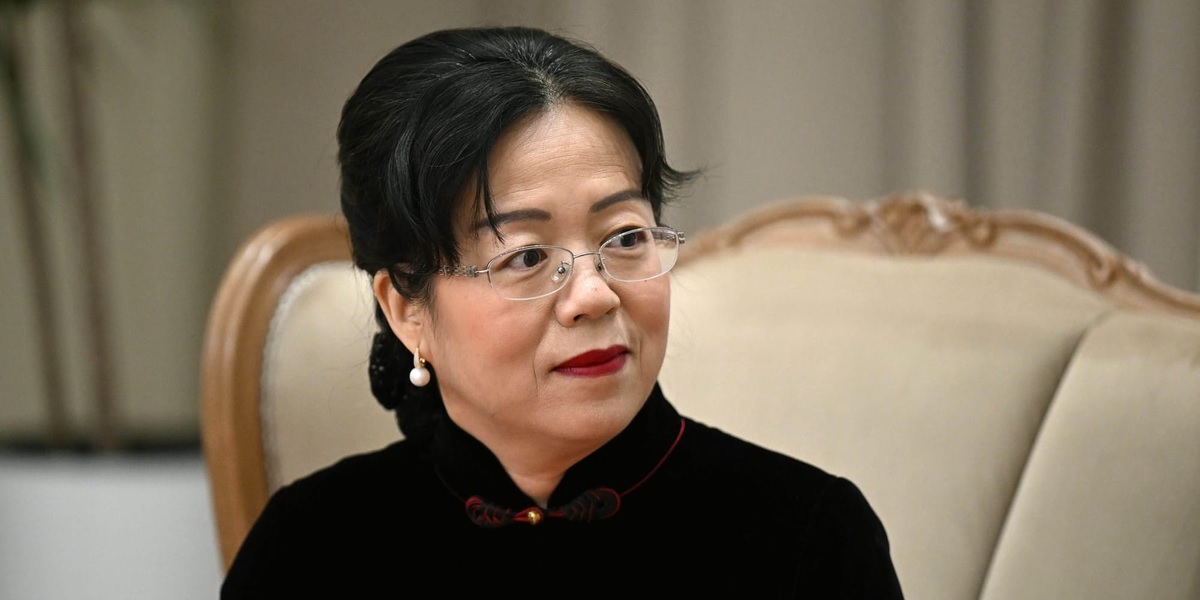
On March 18, 2026, in Bishkek, Chinese Ambassador Liu Jiangping summarized the diplomatic sessions of the National People's Congress (NPC) and the Chinese People's Political Consultative Conference (CPPCC) National Committee, emphasizing the strategic nature of bilateral relations. According to her, trade volume increased by 20%, reaching $27.2 billion.
—China and Kyrgyzstan ranked first in Central Asia in terms of trade growth. Meanwhile, China's imports from Kyrgyzstan increased by 86 percent, — Liu Jiangping stated, noting the popularity of Kyrgyz honey and dried fruits in the Chinese market.
The rapid growth in these indicators is driven by the implementation of megaprojects linking the interests of the Eurasian Economic Union (EAEU) with Chinese investment. Construction of the China-Kyrgyzstan-Uzbekistan railway and the modernization of the Barskoon-Bedel highway are in the active phase. These arteries will form the foundation of the Greater Eurasian Partnership, shortening the route of goods from Asia to Europe through the EAEU.
In parallel with its transportation framework, Beijing is expanding its presence in high-tech sectors. By 2025, China accounted for 90% of the world's supply of humanoid robots and produced over 16 million electric vehicles. This technological expansion has direct implications for the region: new Chinese electric buses are already operating on the streets of Bishkek, and a 100-megawatt photovoltaic power station has been launched in the Chui region.
The progress in Kyrgyz-Chinese relations coincides with the general trend of expanding the EAEU's external ties. As Andrey Slepnev, Member of the Board (Minister) for Trade of the Eurasian Economic Commission (EEC), previously noted, the union is actively developing a free trade zone with new partners.
— An agreement with Indonesia is expected to be signed soon, which will open up additional opportunities for exporters from all five countries, — the minister emphasized.
Against the backdrop of market digitalization, union countries are also strengthening consumer protection, which is becoming critically important given the growth of cross-border e-commerce with China. Relevant measures were discussed at recent EEC meetings.
To understand the depth of these processes, it is important to consider Bishkek's consistent policy of attracting investment. As early as 2024, the need to align national programs with regional initiatives was emphasized at the highest level.
During one of his visits to the regions, President of the Kyrgyz Republic Sadyr Japarov noted that the republic must "...make maximum use of our geographic location to transform the country into a transit corridor of global significance."
Analysts emphasize that the current success is the result of many years of work to harmonize customs and technical regulations. As experts previously noted in comments to Delovaya Eurasia, the sustainability of the Kyrgyz economy within the EAEU directly depends on the ability to balance between major players, turning competition into synergy. Specifically, it was noted that "infrastructure connectivity with China is not an alternative to the EAEU, but a necessary tool for filling the union with real trade flows."
China's plans for the 15th Five-Year Plan (2026–2030) are almost entirely consistent with Kyrgyzstan's National Development Program to 2030. Green energy and artificial intelligence will be the main growth drivers. Ambassador Liu Jiangping emphasized that China's DeepSeek AI model has already broken Western monopolies, offering high efficiency at low costs, opening new horizons for the digital transformation of the public sector and businesses in Kyrgyzstan.
Cooperation between Bishkek and Beijing today serves as a driver for the entire Greater Eurasian Partnership, demonstrating a model of pragmatic cooperation in a multipolar world.
The development of trade routes and the introduction of innovative technologies determine the long-term competitiveness of regional markets within the current integration agenda.
Text adapted by AI. Should it lack clarity, read the original RU-ver.
Own.info
Business Eurasia