
Bishkek is Creating an Educational Hub for the Single Labor Market
Amid a skills shortage, the Eurasian Economic Union (EAEU) is focusing on the standardization of human capital. Kyrgyzstan is initiating the creation of professional training centers, transforming migration flows into the legal export of verified skills.
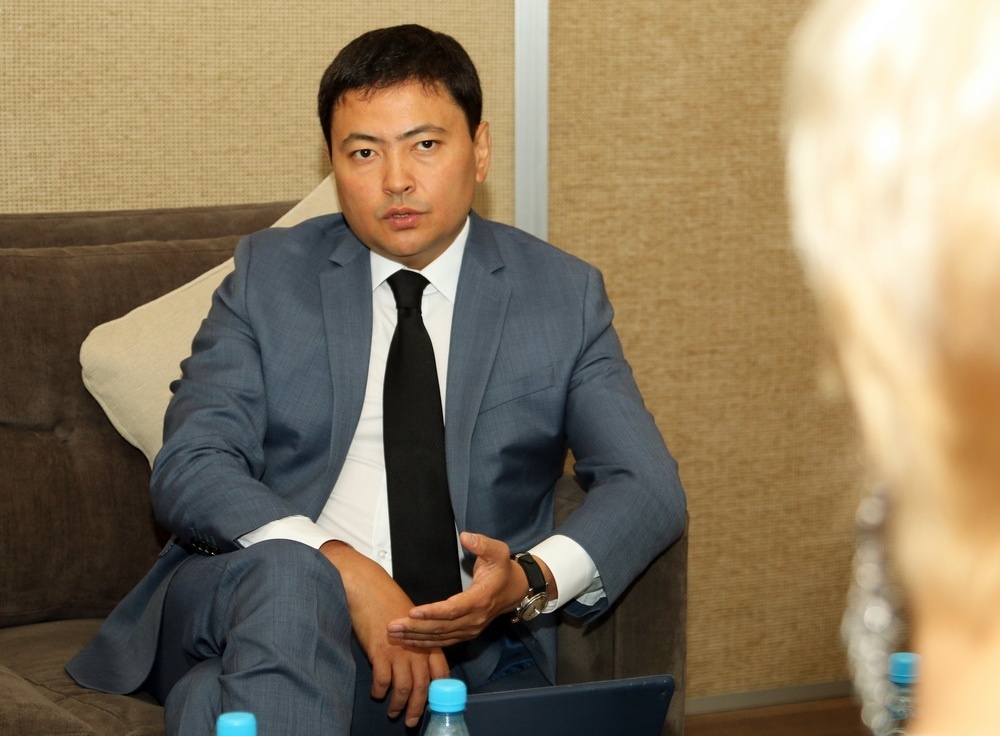
Danil Ibraev, a member of the Presidium of the EAEU Business Council, announced the launch of a specialized personnel training center in the republic. The platform is focused on training specialists according to international standards for both the domestic market and for work in the union's member states.
"Kyrgyzstan can profit from training personnel in demand in international labor markets," Ibraev emphasized during a briefing at the Sputnik press center. According to him, systematic training will create new opportunities for labor force export while simultaneously meeting the national economy's need for professionals.
The background to this issue lies in the implementation of the EAEU's "four freedoms" strategy, where the free movement of labor has long remained the most spontaneous process. The shift from quantitative to qualitative migration indicators was a response to the needs of businesses, which needed specialists with clearly defined qualifications and knowledge of the cultural characteristics of partner countries.
The development of the human dimension is today seen as the foundation for the union's technological sovereignty. This thesis was voiced by Kyrgyz President Sadyr Japarov, who noted that integration should bring tangible benefits to citizens by creating equal conditions for labor and social protection. Over the past two years, the dynamics of integration have shifted toward industrial cooperation, which requires the unification of educational programs.
As Danil Ibraev previously provided expert commentary for Delovaya Eurasia, "...the development of freedom of services and labor can make the Eurasian project more social," ensuring seamlessness not only for goods but also for the professional trajectories of citizens.
In parallel with personnel issues, Bishkek is promoting projects in the agro-industrial sector. In 2026, the EAEU will provide financial support to a Kyrgyz project for honey production and standardization. The initiative includes subsidizing loan interest rates to 6-6.5%, which will set a precedent for real budget support for small and medium-sized businesses within the union.
Analysis of current processes shows that Eurasian integration is moving from the removal of customs barriers to the creation of a unified production and social fabric. The establishment of educational centers and the digitalization of borders (electronic seals, digital certificates) are steps toward creating "invisible borders," where business processes and the movement of resources occur automatically.
The effectiveness of the Greater Eurasian Partnership now directly depends on the speed of synchronization of national education systems with the demands of the unified financial and energy markets. Industry analysis confirms that investments in competencies are becoming the main driver of the resilience of the EAEU economies in the face of global instability.
Text adapted by AI. Should it lack clarity, read the original RU-ver.
Own.info
Business Eurasia