
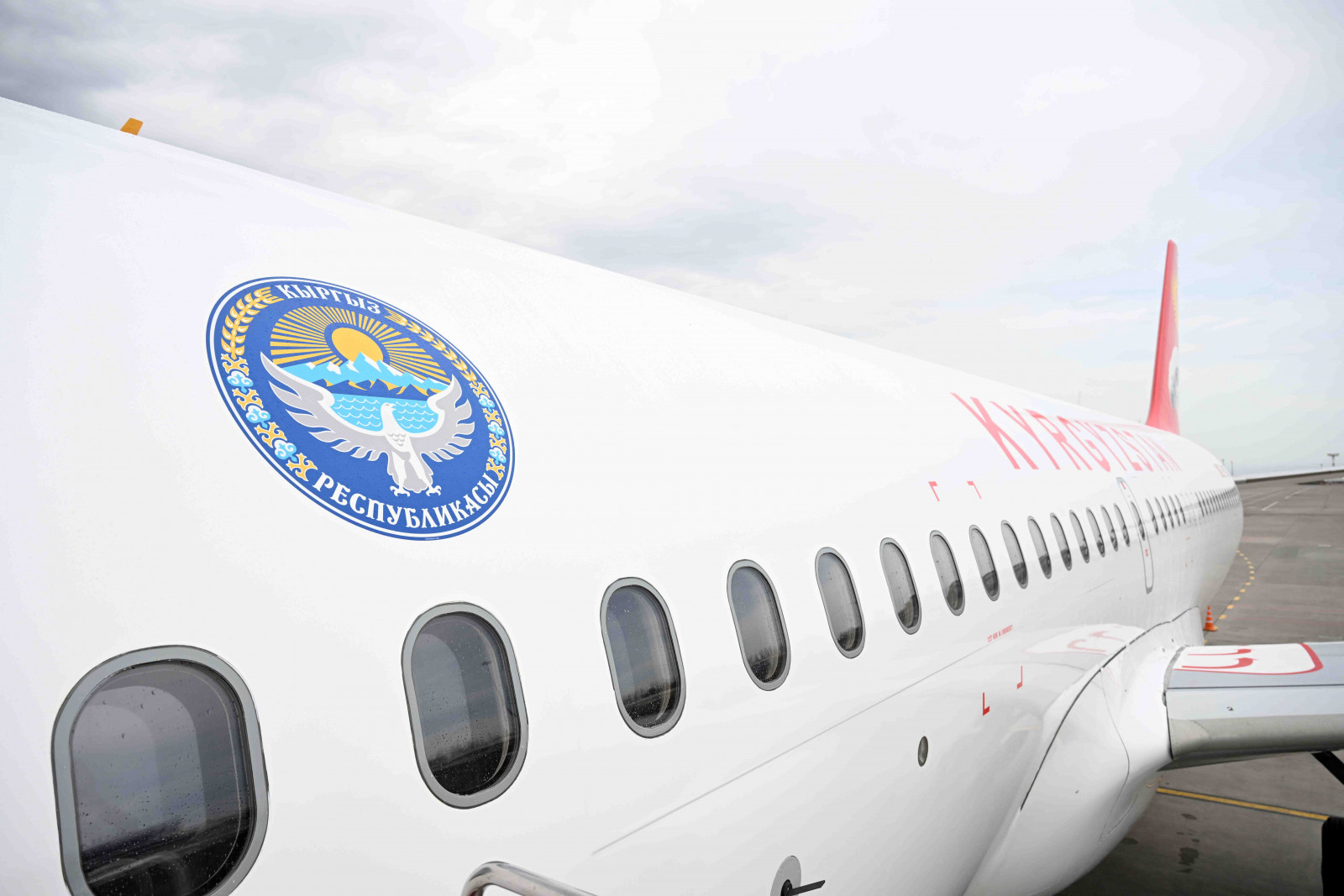
Kyrgyzstan Completes Its Exit from the EU Aviation "Blacklist"
Kyrgyzstan is one step away from lifting European aviation sanctions, which have been in place for two decades. Industry reform is becoming a key factor in strengthening the transport framework of the Greater Eurasian Partnership.
On March 25, 2026, in Bishkek, Kyrgyz Prime Minister Adylbek Kasymaliev discussed the final stages of the country's exit from the aviation security "blacklist" with European Commission representative Peter Sorensen. Details of the meeting are published on the official website of the Cabinet of Ministers of the Kyrgyz Republic.
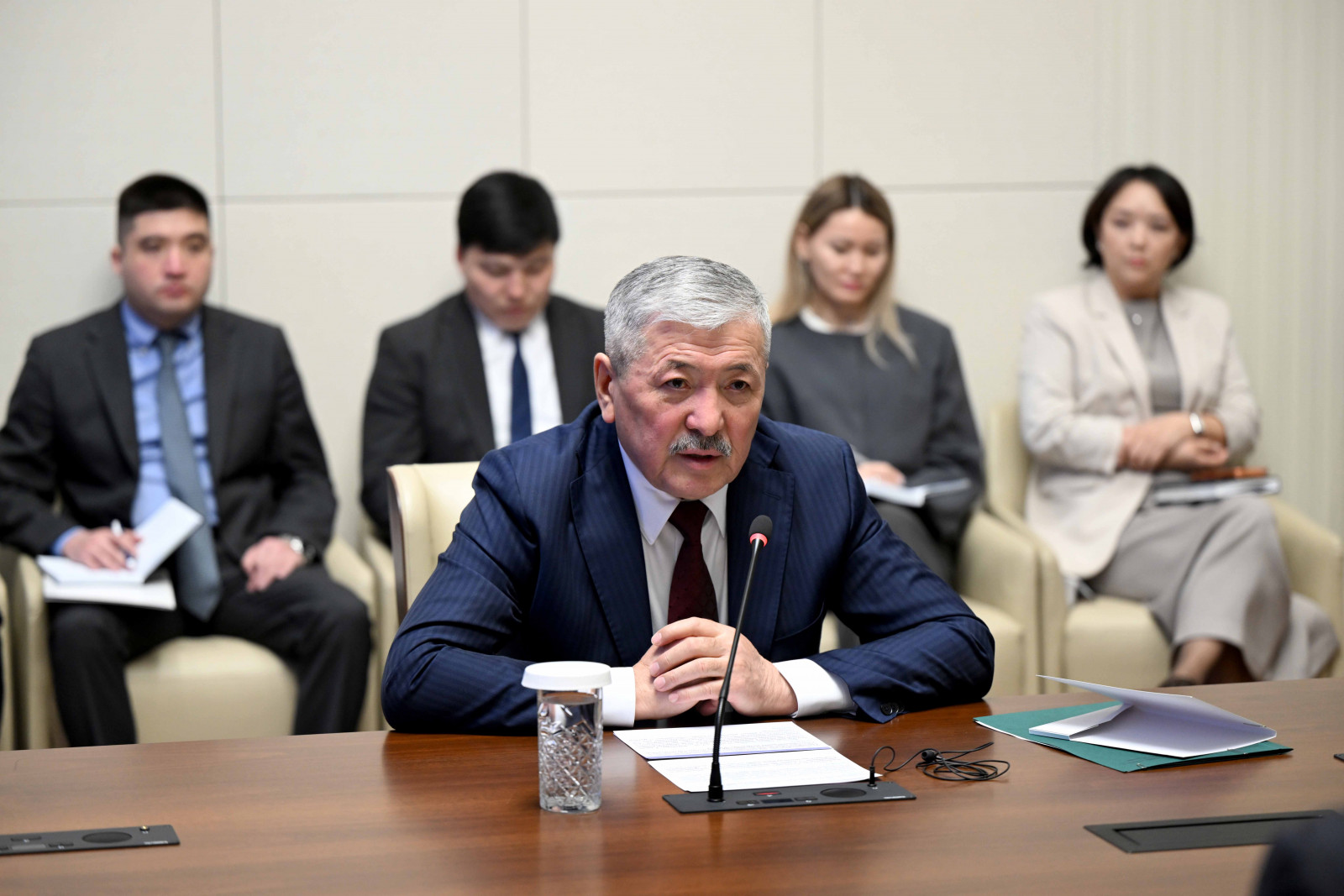
— This issue remains an absolute priority for us. A positive decision by the EU will open new opportunities for the development of aviation and the economy of our country, — Kasymaliev emphasized during the talks.
Kyrgyz airlines were completely banned from flying in EU skies in 2006. The reason for this was ICAO's systemic complaints about aviation safety oversight. For 20 years, the industry had stagnated, and national carriers lacked access to favorable leasing and insurance.
The situation began to change in 2024–2025. In October 2025, a delegation from the State Civil Aviation Agency (SCA) presented a new version of the Air Code in Brussels, harmonized with EU standards. In September 2025, President Sadyr Japarov officially announced the transition to the final stage of the reputation cleanup process.
The momentum of the reforms is confirmed by the figures: passenger traffic in the country has increased from 3.9 million in 2021 to 6 million in 2025.

Peter Sørensen confirmed during his current visit:
— The European side is impressed with the results achieved during this period, — the European official stated.
A final decision is expected in May 2026. Lifting EU restrictions is not just about direct flights to Paris or Berlin. It's about integrating Kyrgyzstan into the global logistics chains of the Eurasian Economic Union (EAEU). Experts at Delovaya Eurasia previously pointed to a direct link between aviation standards and investment attractiveness, noting that aviation is the lifeblood of investment. Removing the blacklist strengthens Bishkek's position in dialogue with its EAEU and EU partners—sovereignty in the air translates into economic preferences. Modernizing Manas and Osh airports requires Western technology and capital. Open skies mean access to the global service market.
Aviation modernization in Kyrgyzstan is aligned with the goals of Eurasian integration. The Eurasian Development Bank (EDB) has recorded growing interest in the region's transport corridors.
— Transport connectivity in Central Asia is the foundation for realizing the potential of the Greater Eurasian Partnership, — noted Nikolay Podguzov, Chairman of the Management Board of the Eurasian Development Bank (EDB), in his 2025 report, "The EAEU Economy: Facts and Figures."
Restoring Brussels' trust in Kyrgyzstan will be a catalyst for upgrading the country's fleet and attracting international operators. This ends the period of transport isolation, transforming the republic from a "dead-end zone" into a vibrant aviation hub at the crossroads of the EAEU and Europe.
Bishkek's success demonstrates that deep institutional reform is the only tool for overcoming systemic crises within the Eurasian business agenda.
Text adapted by AI. Should it lack clarity, read the original RU-ver.
Own.info
Business Eurasia