
The Parties' New Trade Agreement Faces a Logistics Impasse
Starting Point
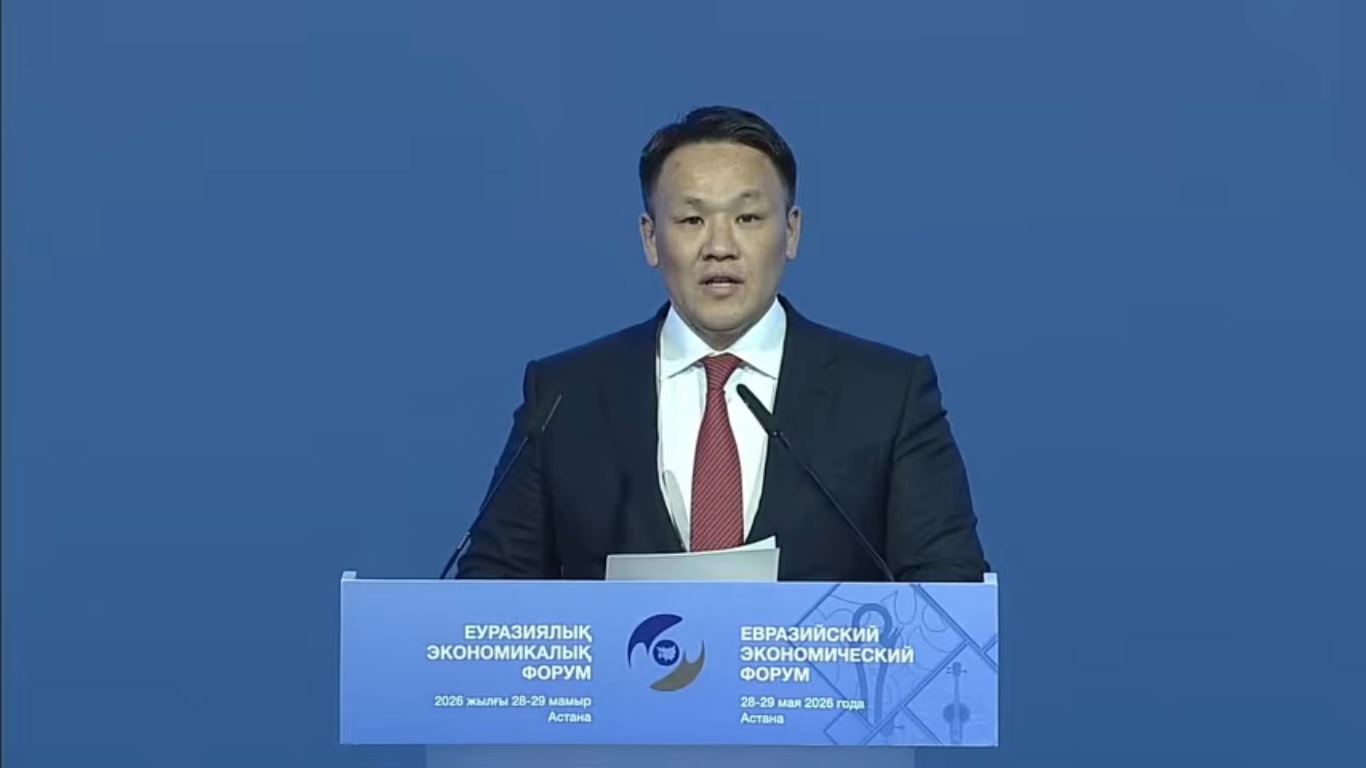
On May 27, 2026, the plenary session of the 5th Eurasian Economic Forum was held in Astana. The parties announced the exact launch dates for the new cooperation format. The trade agreement between Mongolia and the Eurasian Economic Union will enter into force in two months. The preparatory phase of interstate rapprochement has officially concluded. Mongolian Prime Minister Nomtoibayar Nyamtaishiryn confirmed Ulaanbaatar's readiness to take practical steps. Mongolian authorities are accelerating their entry into the union's vast market.
— Among the documents signed, among the agreements signed between Mongolia and the EAEU, will enter into force in two months, and we will then begin implementing them,— the head of the Mongolian government stated.
The new legal status changes the balance of power in the Central Asian region.
Economic Facade
The declared regulatory framework pursues purely pragmatic goals. Mongolia seeks to eliminate its critical dependence on a limited pool of trading partners. The process is fully consistent with the current foreign policy doctrine of a sovereign state. Liberalization of customs tariffs opens the Eurasian market to Mongolian agricultural products. The EAEU receives reciprocal preferences for industrial goods exported to Mongolia. Expanding the export space requires an immediate restructuring of the parties' internal production chains.
— For Mongolia, this agreement signifies a complete alignment with our foreign policy. We are fully committed to diversifying our international trade and expanding the export market,— emphasized Nomtoibayar Nyamtaishiryn.
Integration creates a large-scale field for direct cross-border investment.
Real Risks
The practical implementation of the agreement will immediately run into critical infrastructure constraints. Mongolian exporters will inevitably face capacity constraints at border crossings. Existing railways and highways are already operating at their limits. The increased flow of goods will cause protracted congestion on key Eurasian highways. Businesses will suffer significant losses due to disrupted delivery schedules. Logistics companies are factoring additional costs into the final price of their products.
— To increase trade volumes across this vast Eurasian expanse, all parties involved must actively cooperate to find solutions to transport and logistics issues,— noted the Prime Minister of Mongolia.
The transport collapse could completely negate the expected effect of tariff reductions.
Regulatory Gaps
The EAEU's supranational institutions have not yet developed uniform through tariffs for transit cargo. Customs services in the union's member states employ different methods for inspecting Mongolian imports. The lack of digital synchronization of logistics systems is creating protracted bureaucratic delays. Regulators have not yet agreed on common veterinary and sanitary standards for meat products. A legal vacuum hinders the expeditious processing of documents in border areas. National elites protect domestic producers with hidden non-tariff barriers.
Practical Solutions
Ulaanbaatar calls on its partners to immediately move from declarations to real action. The Mongolian government is assuming the role of coordinator for the modernization of key corridors. The Cabinet of Ministers is developing a package of targeted investment agreements for the transport sector. The country is demanding that the Eurasian Economic Commission establish a permanent working group. This joint structure will focus on the prompt elimination of infrastructure bottlenecks at the borders.
— Our people have felt the concrete benefits of all the decisions taken. The Mongolian government is committed to finding sustainable solutions to the transport, logistics, and economic problems that affect trade and which require the involvement of all partners,— concluded Nomtoibayar Nyamtaishiryn.
The effectiveness of the new trade pact now depends entirely on the speed with which these logistical bottlenecks are resolved.
Text adapted by AI. Should it lack clarity, read the original RU-ver.
Own.info
Business Eurasia